

The Sanctions Update, compiled by attorneys from Steptoe’s award-winning International Regulatory Compliance team and the Stepwise: Risk Outlook editorial team, publishes every Monday (subscribe here). Guided by the knowledge of Steptoe’s industry-leading International Trade and Regulatory Compliance team, the Sanctions Update compiles and contextualizes weekly developments in international regulatory enforcement and compliance, as well as offers insights on geopolitical context, business impacts, and forthcoming risks, and non-sanctions news updates.
For more detailed analysis on related issues, see Steptoe’s International Compliance Blog. For information on industry-specific monitoring or bespoke services, please contact the team here.
By Evan T. Abrams, Meredith Rathbone, Karl Hopkins, Guy Soussan, Alexandra Melia, Wendy Wysong, Ali Burney, Quentin Johnson, Elliot Letts, Algirdas Semeta, Melissa B. Mahle, Anni Coonan, Thomas Goldstein, Zayna Dembinski, Samuel Bloebaum, Elton Smole, Ian Cameron, Wilson Zhao, Zoey Hong, Hoi Chung Liu, Andy Xu Sofia, Jake Fitzpatrick, Carter Spahn, Chris Dantes

Listen to the sanctions update:
The Lede
Western Trade Restrictions on Israeli Settlements Expand Amid West Bank Tensions
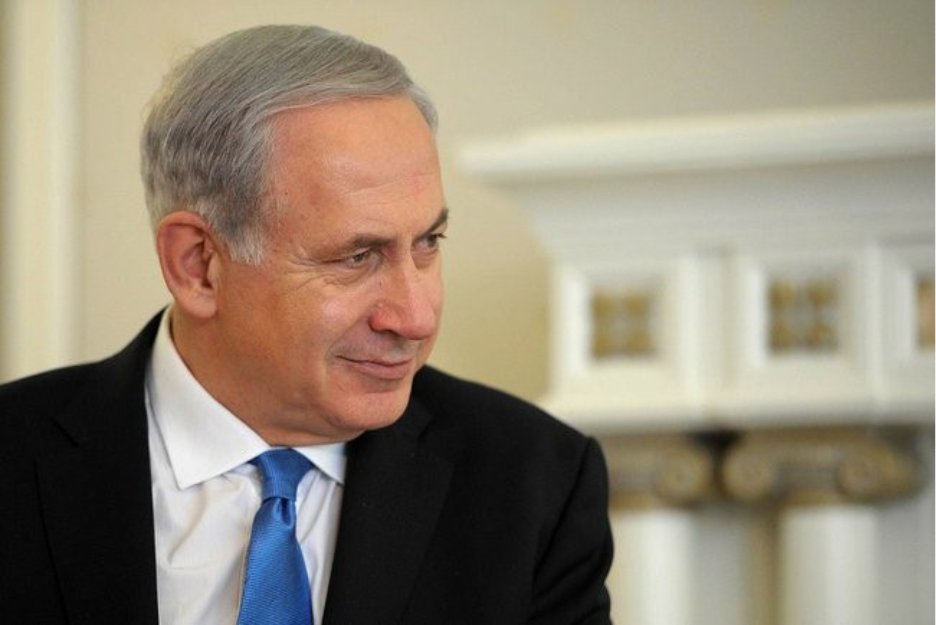
“Prime Minister of Israel Benjamin Netanyahu” by Russia Presidential Press and Information Office is marked with Creative Commons Attribution 4.0.

Twelve Western countries on Tuesday announced coordinated measures targeting trade with Israeli settlements in the West Bank, including new UK-led sanctions, marking a significant expansion of Western economic restrictions over Israel’s settlement policy. The joint statement — issued by the foreign ministers of Canada, Denmark, Finland, France, Iceland, Ireland, Norway, Poland, Portugal, Spain, Sweden, and the UK — confirmed plans to introduce national and EU-level restrictions on trade in goods originating from Israeli settlements, while some governments said they are actively considering additional measures. The announcement followed the UK government’s decision, coordinated with France and Canada, to bring forward national measures to ban trade in goods with the settlements. The move comes as EU member states fail to reach consensus on more far-reaching bloc-wide responses, prompting individual governments to explore national restrictions while continuing to push for EU-level action.
The restrictions reflect growing Western concerns that Israel’s settlement expansion and settler violence are making a two-state solution increasingly unviable. Canada, France and the UK said “systematic settlement expansion,” including Israel’s decision to advance the E1 settlement project, and a “dramatic increase in settler violence,” pose a “direct and urgent threat” to a two-state solution. The three governments said they would take further action, while reiterating their support for Israel’s security and a “close and productive partnership” with Israel. The statement comes almost one year after the three nations recognized the State of Palestine. Moreover, UK Foreign Secretary Ed Miliband on Tuesday said Britain now officially endorsed the 2024 International Court of Justice advisory opinion which concluded that Israel’s continued presence in the occupied Palestinian territory is unlawful. Miliband also accused “settler terrorists” of perpetrating “ethnic cleansing” against Palestinians in parts of the West Bank.
The Canada-France-UK package will ban imports of goods from Israeli settlements and impose targeted measures on settlements and entities or individuals that facilitate or profit from them. The UK is separately implementing a broader package that also includes restrictions on organizations and businesses involved in settlement construction, infrastructure, financing and real estate, a ban on UK advertising for properties in illegal settlements, and sanctions against “extremist settlers” who have supported or incited violence against Palestinians. London will also halt new export licenses for weapons and other goods that could “materially contribute to the occupation.” The ban on trade with illegal Israeli settlements is expected to go into effect six to nine months from now. The scope of the French and Canadian measures beyond the jointly announced import ban has yet to be fully defined.
The latest measures escalate earlier Western sanctions, which targeted named individuals and organizations, to cover (once implemented) all trade in settlement-origin goods. In June, Canada, France and the UK coordinated sanctions against settlers and their supporters in response to settler violence, building on earlier measures targeting specific individuals and organizations. Tuesday’s measures therefore represent a broader economic approach by restricting commerce linked to settlements themselves, joining several Western governments that have or are in the process of imposing restrictions on settlement goods, including Ireland, Spain, the Netherlands, Norway and Belgium.
The measures triggered an immediate diplomatic response from Israel against the UK, raising the risk of a broader deterioration in relations between Israel and its Western partners. Israeli Foreign Minister Gideon Sa’ar announced the closure of the British Consulate in Jerusalem, removal of British representatives from the International Gaza Support Center in Kiryat Gat, termination of British activities to train Palestinian Authority security forces under the British Support Team in Ramallah, and entry bans on 11 British members of parliament and Fahad Ansari, a London-based human rights lawyer and director of Riverway to the Sea, a Palestine legal rights and advocacy organization. Sa’ar described Miliband’s statements as “outrageous lies” and accused the UK government of “systematically acting against the state of Israel.” Israel has so far limited its announced countermeasures to the UK, although Sa’ar warned that other countries could face measures at Israel’s discretion.
The direct commercial impact is likely to be limited, but could increase compliance complexity and operating uncertainty for companies with exposure to Israel and the West Bank. The UK imported an estimated £38 million ($51.4 million) in goods from the occupied territories in 2025, a fraction of the £6 billion ($8.1 billion) in total UK-Israel trade. However, companies importing Israeli goods will face greater scrutiny over the origin of products and may need additional documentation to demonstrate that goods do not originate from restricted settlements. The UK has long tried to distinguish between goods produced within Israel’s pre-1967 borders and those originating in settlements, which do not receive preferential tariffs under the UK-Israel trade agreement. However, mislabeling concerns have persisted. The newly announced ban raises the stakes of an existing origin-verification challenge and may, in practice, require companies to establish that they are not importing goods prohibited from entering the UK.
More broadly, the coordinated announcement adds to the fragmentation of the Western sanctions environment, with national restrictions developing alongside existing EU rules and potential future EU-wide measures. Momentum has increased for EU member states to discuss bloc-wide trade restrictions on Israeli settlements during the European Council in October. If the EU ultimately reaches a qualified majority (55% of states representing 65% of population) on broader restrictions, Tuesday’s measures could serve as a foundation for a more unified European regime.
US Developments
Treasury Ratchets Up Its Pressure on Iran in Operation Economic Outcast
Last week, the Department of the Treasury announced several significant measures targeting Iran as part of Operation Economic Outcast, which is the Trump Administration’s ongoing campaign to impose greater economic pressure on the Iranian government. We previously reported on Operation Economic Outcast in a recent blog post. The measures announced last week include the following:
· On September 8, the Office of Foreign Assets Control (“OFAC”) indefinitely suspended three Iran-related aviation general licenses (“GL”), which authorized certain transactions related to overflights of Iranian airspace (31 CFR § 560.522), certain bunkering and emergency repairs for non-Iranian carriers (31 CFR § 560.529), and the reexportation of certain civil aircraft to Iran on temporary sojourn (Iran GL J-1). OFAC also suspended its licensing policy (31 CFR § 560.528) related to the exportation or reexportation of goods, services, and technology to ensure the safety of civil aviation and safe operation of US-origin commercial passenger aircraft. OFAC said it will consider aviation safety-related requests on a case-by-case basis. OFAC also issued Iran GL DD, which authorizes certain transactions that are ordinarily incident and necessary to the wind-down of any transaction previously authorized under 31 CFR § 560.522, 31 CFR § 560.529, or Iran GL J-1 through 12:01 a.m. eastern daylight time on September 23, 2026.
· On the same day, OFAC sanctioned 36 targets for supporting Iran’s aviation sector, including 27 Iranian commercial airlines. The sanctions were imposed pursuant to the April 24, 2026 determination under Executive Order (“E.O.”) 13902 that persons operating in the aviation sector of the Iranian economy are subject to sanctions. OFAC also sanctioned eight entities based outside of Iran, which allegedly provided support to Mahan Air, a sanctioned Iranian airline. These actions build on OFAC’s April and July 2026 sanctions actions against persons allegedly servicing Mahan Air’s domestic and international flights. OFAC also issued Counter Terrorism GL 37, which authorizes certain transactions that are ordinarily incident and necessary to the wind down of any transaction involving certain of the sanctioned entities through 12:01 a.m. Eastern Daylight Time on September 23, 2026.
· On September 10, OFAC published a new Statement of Licensing Policy for the Iranian Transactions and Sanctions Regulations (“ITSR”). OFAC stated that there is now a presumption of denial for specific license requests to engage in activities prohibited by the ITSR and other Iran-related authorities except as required by law or in certain exceptional and urgent circumstances, such as risks to life, limb, or environmental safety. OFAC said its Licensing Division immediately began denying most outstanding Iran-related specific license requests. OFAC stated that it will maintain this licensing policy until Iran stops obstructing the Strait of Hormuz, attacking US personnel and partners in the Gulf, and pursuing nuclear and conventional weapons.
· OFAC sanctioned 14 individuals and five entities for allegedly supporting Kata’ib Hizballah (“KH”) and Hizballah, which aid Iran in evading sanctions and collaborate with Iran’s Islamic Revolutionary Guard Corps-Qods Force. The action was taken pursuant to E.O. 13224, which targets terrorists and their supporters, and E.O. 13902.
· OFAC also announced a $1,427,230 settlement with an unnamed US individual, in which the individual agreed to settle their potential civil liability for providing management consulting and advisory services to one of Iran’s leading software solutions companies and receiving Iranian-origin dividends to their US bank accounts, and acquiring real property in Iran.
· The Treasury Department’s Financial Crimes Enforcement Network (“FinCEN”) also issued two publications alerting financial institutions and the public to Iranian sanctions evasion and facilitation networks. FinCEN issued an alert to assist financial institutions in identifying and reporting procurement networks supporting Iran’s aviation industry. FinCEN also issued a Whistleblower Bulletin encouraging the public to submit information about sanctions and anti-money laundering violations related to Iranian sanctions evasion and illicit finance schemes involving Iran’s terrorist proxies.
These new measures reflect the Treasury Department’s efforts to impose economic pressure on Iran at a faster pace. Meanwhile, the broader conflict involving Iran, the United States, and their respective allies continued to escalate throughout the Middle East. On September 11, the Houthis, an Iranian-backed militia in Yemen, seized an island in the Red Sea, threatening the flow of oil through the Bab al-Mandeb Strait. Saudi Arabia also announced it had shut down an important oil pipeline after it was attacked by drones launched from Iraq.
Treasury Targets Chinese Online Marketplace Over Cybercrime
On September 9, OFAC sanctioned Xinbi Guarantee, a Chinese-language platform that allegedly operates a large illicit online marketplace used to support cyber scams, fraud, money laundering, and other criminal activity targeting Americans. OFAC also designated two Southeast Asia-based entities for providing applications that support Xinbi Guarantee’s operations.
OFAC alleges that Xinbi Guarantee’s marketplace connects transnational criminal syndicates, including scam center operators, with vendors offering financial services, technology, and other goods for criminal operations. OFAC estimates that Xinbi Guarantee processed the equivalent of over $24 billion in digital assets and fiat currencies through its marketplace and platforms, with most transactions occurring in Southeast Asia. The designations were taken pursuant to E.O. 13581, which targets transnational criminal organizations (“TCOs”), as amended by E.O. 13863.
State Department Designates Los Tiguerones as a Foreign Terrorist Organization
On September 9, the US Department of State designated Ecuadorian crime syndicate Los Tiguerones as an FTO and a SDGT. The State Department alleged that Los Tiguerones is linked to narcotrafficking and other illicit activity, along with numerous attacks targeting civilians, law enforcement officers, and journalists, including the live takeover of an Ecuadorian television station in 2024. The action was taken pursuant to E.O. 13224, which targets terrorists and their supporters.
House May Soon Consider the Lindsey O. Graham Sanctioning Russia and Iran Act of 2026
On September 11, the House of Representatives Committee on Rules (“Rules Committee”) scheduled a September 14 meeting to consider a rule governing consideration of the Lindsey O. Graham Sanctioning Russia and Iran Act of 2026. Approval by the Rules Committee would clear the way for House floor consideration later in the week. The bill passed the Senate on August 7 by a bipartisan vote of 86-11. The bill faces opposition from many House Democrats.
Representatives Gregory W. Meeks (D-NY), Don Beyer (D-VA), and Richard Neal (D-Mass.) issued a joint statement arguing that the bill’s expanded tariff authorities and what they described as its “failing to mandate sanctions on Russia” were “unacceptable.” The three lawmakers, who serve as ranking Democrats on key congressional committees, have called for “bicameral, bipartisan negotiations.”
First introduced in April 2025, the legislation gained momentum after President Donald Trump signaled support last November, subject to him obtaining new tariff authorities and retaining flexibility over the imposition of sanctions. The bill underwent significant amendment earlier this year, which we covered in an update on July 20, 2026.
UK Developments
Illumina Cambridge Pays £7.4 Million Settlement for Russia Sanctions Breaches
Illumina Cambridge Limited has paid HM Revenue & Customs a £7,438,840.13 compound settlement for breaches of the Russia (Sanctions) (EU Exit) Regulations 2019. Between July 2022 and January 2023, the company transferred sanctioned goods between two overseas companies within its corporate group for export to Russia, in breach of Regulation 25(1), which prohibits making certain military, maritime and restricted goods available to persons connected with Russia or for use in Russia. Illumina Cambridge voluntarily disclosed the breaches to HMRC. The substantial settlement highlights the enforcement risk arising from intra-group transactions and overseas supply chains, and reinforces the importance of ensuring that sanctions controls capture transfers between affiliated entities where goods are ultimately destined for sanctioned jurisdictions.
UK Reintroduces Wide-ranging Sectoral Sanctions on Iran and Issues Shah Deniz General Licence
The UK has published the Iran (Sanctions) (Amendment) Regulations 2026, which will enter into force on September 29, 2026, and reintroduce a range of sectoral sanctions previously lifted as part of the Joint Comprehensive Plan of Action (JCPOA). The measures significantly expand trade restrictions covering sectors including energy, oil and petroleum products, petrochemicals, natural gas, precious metals and diamonds, maritime goods and sectoral software and technology. They also introduce financial restrictions on certain loans, investments and joint ventures involving persons connected with Iran, relationships with Iranian financial institutions, insurance and reinsurance, and certain Iranian sovereign bonds. Further measures include restrictions on Iranian aircraft entering the UK and expanded powers to specify and restrict vessels connected with Iran’s nuclear programme or malign or destabilising activity. Alongside the new restrictions, the UK has issued a General Licence supporting the continued operation of the Shah Deniz gas field, authorising certain energy-related goods, technology, brokering and associated financial services that would otherwise be prohibited, and has amended existing General Licence INT/2025/7363752 to permit certain financial services necessary for the project. Both the new licence and amendments are scheduled to take effect alongside the new sanctions on September 29, 2026.
OFSI Updates Guidance on Permitted Travel Expenses for Licence Applications
OFSI has updated its guidance on permitted travel expenses for sanctions licence applications, clarifying both its scope and the evidence expected from applicants. The guidance now confirms that it applies not only to travel by UK designated persons, but also to travel by legal representatives and other individuals where an OFSI licence is required to make the relevant payments. It emphasises that applicants should provide sufficient supporting evidence at the outset, with OFSI able to return incomplete applications for resubmission or refuse applications where adequate evidence is not provided. The revised guidance also confirms that OFSI may, in exceptional circumstances, license flights in a higher class than would ordinarily be permitted and, where higher-cost travel or accommodation is insufficiently justified, may instead license a lower amount equivalent to the permitted rates. Applications will continue to be assessed on their individual merits, while outdated mileage rates have been removed and links to related OFSI guidance updated.
EU Developments
EU Faces Deadlock on Renewal of Russia Asset Freeze Sanctions Regime
According to early reports, EU ambassadors of the Council failed to reach unanimous agreement on the renewal of the EU’s Russia asset freeze sanctions regime during a September 14 meeting, just one day before the restrictive measures are due to expire. The sanctions regime, which provides for the individual designations of over 3,000 individuals and entities, requires the unanimous approval of the 27 Member States for its renewal.
Slovakia continued to oppose the rollover unless certain listed individuals, including Russian businessmen Alisher Usmanov and Mikhail Fridman, were removed from the sanctions list. France has reportedly attempted to create a compromise by proposing the delisting of Usmanov only. Discussions also focused on whether the regime should be extended for six months, in line with previous practice, or for a longer 12‑month period.
EU ambassadors are expected to reconvene for further negotiations ahead of the expiry deadline.
General Court Judgment Upholds the Designation of Roman Abramovich under EU Russia Asset Freeze Sanctions
The General Court of the European Union delivered its judgment in Case T‑358/25, dismissing an action brought by Russian businessperson Roman Abramovich seeking the annulment of Council acts adopted in March and September 2025 that maintained his designation under the Russia asset freeze sanctions regime.
The General Court upheld the legality of the Council’s decision to maintain Abramovich on the EU sanctions list and confirmed the validity of the listing criterion set out in Article 3(1)(g) of Council Regulation (EU) 269/2014, which targets leading businesspersons operating in Russia and persons active in economic sectors generating substantial revenue for the Russian Government.
With regard to the application of the listing criterion, the Court noted that Abramovich remains one of the main shareholders of Evraz, one of Russia’s largest steel and mining groups, and also holds a shareholding in Norilsk Nickel, a major palladium and refined nickel producer. In addition, the Court found that the steel and mining industries represent a substantial source of revenue for the Russian Government.
Asia-Pacific Developments
China-Iran Trade Network Bypasses Sanctions
A reported barter-style trade mechanism has enabled Iran to circumvent Western sanctions by exchanging oil exports for credits that can be used to purchase billions of dollars’ worth of Chinese goods and services, including medicines, vehicles, communications equipment, infrastructure projects, and reportedly some military-related items. The arrangement relies on intermediaries and a special purpose vehicle (SPV) that operates largely outside traditional international banking channels, helping shield participants from sanctions exposure while allowing China to secure discounted Iranian oil. Sources cited in the report estimate that $2 billion to $2.5 billion moved through the mechanism in the past year, with much of the funding directed toward infrastructure development in Iran. The system has reportedly been in place since 2021 and reflects the broader strategic partnership between China and Iran.
China and Russia Oppose Reimposition of UN Iran Sanctions
China and Russia jointly challenged Western efforts to restore UN sanctions on Iran during a contentious UN Security Council meeting, arguing that the legal basis for the 2015 nuclear deal’s “snapback” mechanism expired when UN Security Council Resolution 2231 lapsed in 2025. Both countries maintained that there are no valid legal grounds to revive the previous sanctions regime and warned that unilateral attempts to do so undermine the Council’s authority and prospects for a diplomatic resolution. In contrast, the United States, United Kingdom, and France argued that the snapback process was lawfully triggered due to Iran’s non-compliance with its nuclear commitments and that the sanctions remain in force.
Australia Weighs Targeted Israel Sanctions
Australia is considering a new round of targeted sanctions aimed at deterring violence by Israeli settlers and the expansion of settlements in the West Bank, but has ruled out joining the United Kingdom’s proposed ban on trade with Israeli settlements. Penny Wong, Australia’s foreign affairs minister, said the government is coordinating with international partners on targeted measures but has concerns that a blanket trade ban could have unintended consequences for Australian businesses, Palestinians, and Israelis. While criticizing settlement expansion and settler violence as undermining the prospects of a two-state solution, Australia has opted for a more limited approach than the UK, which, alongside several European partners and Canada, is pursuing broader restrictions on settlement-related trade and other measures.
Vietnam Considers Aircraft Leasing Deal as Russia Grapples with Sanctions
Vietnam is reviewing a Russian proposal for a “wet lease” arrangement under which Vietnamese airlines would provide aircraft, crews, and maintenance services to Russian carriers, highlighting Vietnam’s potential role in helping Russia address aviation challenges caused by Western sanctions. According to Russian Transport Minister Andrei Nikitin, discussions are ongoing following bilateral talks in Moscow. Russia has sought similar agreements with several countries as sanctions have cut its airlines off from new Boeing and Airbus aircraft, spare parts, and maintenance services, contributing to the grounding of a significant portion of its civilian fleet.

Listen to the news:
Global
The House Rules Committee will consider the Graham Russia sanctions bill today. The bill would allow President Trump to impose 100% stacked tariffs on the top five importers of Russian gas and oil, the top five countries enabling transshipment of those goods, and any country that purchases new shipments of Russian fuels. This would effectively act as leverage against China and India, the two most likely targets for tariffs. The bill would also mandate blocking sanctions across Russia’s political leadership and sectors that support the war economy. However, the legislation gives the White House the discretion on when to apply these restrictive measures or even waive blocking sanctions, as long as individual waivers are accompanied by a report to Congress.
The road to adoption remains fuzzy. The sanctions bill passed the Senate 86-11, but House Democrats appear more skeptical than their Senate colleagues. Rep. Gregory Meeks, the top House Democrat on the foreign affairs committee, urged his colleagues not to grant the White House a flexible secondary tariff authority and for the Senate to instead pass the Ukraine Support Act, which focuses exclusively on blocking sanctions and aid to Kyiv. House minority leader Hakeem Jeffries echoed those concerns. Without substantial Democratic support, House Speaker Mike Johnson may need almost every Republican legislator to vote for the bill. This could feasibly occur if President Trump explicitly backs the bill. The House is slated to adjourn until after the midterms by the end of this week.
Read More: The Hill, Politico, Stepwise Risk Outlook
Europe
Sweden’s left bloc, led by the Social Democrats, appears poised to retake power after yesterday’s parliamentary elections. The final count remains too close to call at a 0.45% difference as of Monday morning, with the left bloc, led by former Prime Minister Magdalena Andersson, receiving 176 seats and the right bloc, led by Ulf Kristersson’s center-right Moderates, 173. If these numbers hold, Sweden will likely receive a left-leaning government. One question is whether Andersson can bridge the divide between the liberal Center Party and the formerly communist Left Party, both of which have pledged not to work together. If not, Andersson may have to break bloc politics, such as through a grand coalition with the Moderates.
Sweden’s foreign policy will remain consistent. The Social Democrats have echoed the ruling Moderates on the direction of Sweden’s strategic shift toward increased defense spending as NATO’s newest member. However, the left bloc is less eager to participate in nuclear deterrence initiatives and instead prioritize global non-proliferation. Parties historically opposed to NATO, like the Greens and The Left, remain partial to Sweden’s strategic autonomy and may support alternative security frameworks in Europe after the Ukraine war.
At the EU level, the Party of European Socialists (PES) strengthens. Sweden, dependent on a similar export-oriented model as Germany, will continue to support open trade and act within the “frugal” bloc. However, Andersson’s return means that Sweden may prioritize PES’ legislative initiatives. That includes a stronger EU role in green industrial policy, tech sovereignty, and due diligence regulations.
Read More: CBC, European Council on Foreign Relations, Atlantic Council
Middle East
A planning meeting between Iran and Gulf leaders in Oman was canceled. The meeting, planned for Monday morning between Gulf foreign ministers and their Iranian counterpart in Salalah, Oman, was postponed by the Omani foreign minister “in the interest of consensus.” Gulf leaders were expected to seek a separate understanding with Iran as US-Iran talks remain stalled and escalating fighting in the Persian Gulf and in the Red Sea have further constrained Gulf oil exports.
The cancellation highlights the increasingly tenuous position of US Gulf allies – increasingly targeted by Iran with little support from a US that is spread thin and loath to escalate. Throughout the war, Gulf capitals have found themselves the primary target for Iranian attacks attempting to up the pressure on the US, and Gulf leaders would like a deal and an end to conflict at almost any cost. But the ongoing violence has exacerbated regional frustrations with the US as a primary security partner and spurred efforts to deal directly with Iran (such as paying tolls to access Hormuz, against the US’ wishes).
Saudi Arabia is in a particular bind as the US has declined to get involved in the escalating Houthi conflict. The proxy conflict between the Saudis and the Iran-backed Houthis has grown hot in recent days, culminating in the Houthi seizure of key sites along the Bab al-Mandeb Strait, but the US reportedly declined a Saudi request to contribute firepower. Saudi Arabia, with the majority of its oil exports now cut off and no desire to reenter a hot war with the Houthis, feels it must pursue its own agreements to ensure its security.
Read More: New York Times [paywall], Reuters [paywall], Axios
Asia-Pacific
Voting began today in the Philippines’ Bangsamoro region, marking its first parliamentary election since the region was established. The Bangsamoro Autonomous Region in Muslim Mindanao (BARMM) was established following a 2014 peace agreement between the Philippine government and the Moro Islamic Liberation Front (MILF), the country’s largest Muslim separatist movement. The agreement ended decades of conflict that killed more than 120,000 people and displaced more than two million. BARMM was formally established in 2019, with an interim government governing the region since then.
The election comes amid tensions within BARMM and divisions within the MILF, raising concerns over potential post-election instability. Those competing for power include former MILF rebels, rival factions and established political clans, setting the stage for a contest between groups with competing visions for the region’s political future. Some MILF figures have warned of unrest if they perceive electoral manipulation or fraud, while the group has faced criticism over suggestions that it intends to retain political influence. Manila has deployed military forces to key areas, reflecting concerns that election-related tensions could escalate into violence and further destabilize the fragile peace process.
Read More: Philippine News Agency, Reuters [paywall], Al Jazeera
Americas
The US added Ecuadorian gang Los Tiguerones to the list of Foreign Terrorist Organizations (FTOs) last week. The move came during US Secretary of State Marco Rubio’s trip to South America, which also included visits to Colombia and Peru. Rubio met with Ecuadorian President Daniel Noboa and praised Ecuador as the US’ most “aggressive” partner in combating transnational criminal groups. Ecuador has recently been subject to boat strikes targeting suspected drug trafficking vessels in the Pacific Ocean, and Ecuador has agreed to allow US-led strikes on Ecuadorian land to combat narco-trafficking. Violence in Ecuador has been consistently on the rise in recent years, and Noboa was elected in 2025 with a mandate to crack down on crime.
With the recent designation of Los Tiguerones, the list of US-designated FTOs has grown to 21. The label was long reserved for terrorist organizations such as the Islamic State, who used violence for political ends. However, the Trump administration has increasingly used designations as a means of putting pressure on transnational crime groups, especially in the Americas. Mexico is now home to eight designated groups, the most of any country, while two Brazilian transnational gangs recently joined the list. Ecuadorian FTOs also include Los Lobos, Los Choneros, and The Chone Killers. Los Tiguerones, which formed in 2019 as the armed wing of Los Choneros, was involved in the live takeover of an Ecuadorian television station in 2024.
Read More: State Department, PBS, PBS
Africa
The surge in Somali piracy is possibly being supported by the Houthis. The internationally recognized government in Yemen claimed that the Houthis met with Somali pirates in June to discuss targeting vessels. This follows reports from Puntland intelligence officials in January that the Houthis supplied pirates with arms and GPS satellite devices. Al Shabaab, which has deepened cooperation with the Houthis, provides pirates with training and weapons, highlighting increasingly interconnected ties between al Shabaab, the Houthis, and Somali criminal groups. Recent hijackings have reportedly been more technologically advanced, with pirates using Starlink internet to maintain communications and track potential targets.
The nexus between terrorist and criminal groups emerges amid increased political tension in Somalia that could undermine counter-piracy operations. Ongoing conflict between the Federal Government of Somalia (FGS) and Puntland is creating instability that could be exploited by non-state actors. Moreover, both claim jurisdiction over the waters along Puntland’s coast. Officials from the semiautonomous region stated that they are chiefly responsible for counter-piracy operations in the area and rejected any naval presence from Türkiye, a close security partner of Mogadishu.
Read More: Critical Threats, The Guardian, ACLED, Stepwise Risk Outlook
Geoeconomics
The BRICS New Delhi Declaration calls for wider use of local currencies and closer trade cooperation as members push back against unilateral tariffs and sanctions. Adopted during the 18th BRICS Summit in India on September 12, the declaration supports further work on connecting national payment systems, settling trade in local currencies and expanding local-currency financing through the New Development Bank. Members also endorsed closer customs cooperation and a study of mechanisms allowing small exporters to obtain financing against unpaid invoices. The text criticizes tariffs inconsistent with WTO rules and secondary sanctions that members regard as contrary to international law, while calling for IMF and World Bank reforms that would give developing economies greater influence.
Despite the call to action, the summit’s most significant proposals remain at the planning stage. The summit announced no common BRICS currency or unified payment network, and many initiatives remain under study or subject to domestic approval. Members also differ over the purpose of financial cooperation: India emphasizes lower transaction costs and economic development while preserving Western relationships, whereas China and Russia seek a stronger geopolitical role for the bloc. Those differences suggest that progress will come through individual payment links and customs agreements, which could gradually reduce currency-conversion costs and improve access to working capital.
Read More: New Delhi Declaration, Reuters [paywall], New Development Bank, Chatham House
Disruptive Technology
ICYMI: France hosted an international space summit last week, calling for the world to protect space as a global commons. The summit had mixed results. On the one hand, the summit did not have widespread attendance. France was perceived as pushing a European strategic autonomy agenda, calling for the EU to develop its own sovereign spaceflight capability independent from NASA and ending its “geographic returns” principle to enable greater public investment. American companies canceled appearances, and German Chancellor Friedrich Merz skipped the event, despite Germany co-chairing. Momentum is growing for Europe to develop independent infrastructure from the US, but space associations from France, Germany, and Italy stated that €60 billion in investment will be needed. Germany is also channeling its defense spending spree into its independent space satellite and launch infrastructure.
Read More: France24, Politico, Le Monde [paywall]
Energy
President Donald Trump has called on Zelenskyy to stop attacking Russia’s production capacity for diesel. Trump justified his message to Zelenskyy with the claim that Ukraine’s strikes against diesel production infrastructure were “hurting the world.” This year Kyiv has undertaken a major campaign against Russian energy infrastructure, which has resulted in shortages and caused Russia to pause exports of diesel. The US price of diesel fuel topped $6 a barrel last week.
The US has intervened with Ukraine before about strikes on Russian energy infrastructure. Earlier this summer, Vice President JD Vance personally asked Ukraine to cease strikes against export infrastructure at the Russian port of Novorossiysk after Kyiv’s strikes caused disruptions in exports of Kazakh oil through the Caspian Pipeline Consortium, which transports the overwhelming majority of Kazakhstan’s production.
The US will host a Russian official at G20 energy talks in Houston. A Russian official will be present at G20 Ministerial Meeting on Energy Abundance, which lasts from September 14 through 16. The US has appealingly been slowly integrating Russia back into G20 gatherings, such as earlier this year when Russia attended a G20 meeting of finance ministers.
Read More: Kyiv Post, Reuters [paywall], Financial Times [paywall], Politico EU
Defense
Germany is considering an agreement with US-Israeli defense firm Covenant Industries for cruise missiles. Berlin is interested in Covenant’s Anthem cruise missile, which would help cover a gap in Germany’s long-range strike capabilities. The next version of Germany’s Taurus cruise missile is years away from being fielded, European efforts to develop their own capability are in their infancy, and although Germany has considered purchasing Tomahawk missiles the war in the Middle East has also complicated those plans.
Covenant is considering a production facility in Germany. The company currently has facilities in Texas and Israel, and the company is planning to begin serial production at a facility in Germany’s state of Saxony in 2027. The site in Saxony would be Covenant’s largest production facility. The missile reportedly has a target in the mid-six-figures.
Read More: Defense News, Hartpunkt [in German], Reuters [paywall]


Contact Us
Karl Hopkins
Partner
+1 202 429 6499
khopkins@steptoe.com
Melissa B. Mahle
Senior Advisor
+1 202 261 0577
mmahle@steptoe.com
Anni Coonan
Senior Intelligence Analyst
+1 212 506 3979
acoonan@steptoe.com
Samuel Bloebaum
Senior Due Diligence Analyst
+1 602 410 6240
sbloebaum@steptoe.com
Zayna Dembinski
Analyst
+1 202 778 3567
zdembinski@steptoe.com
Thomas Goldstein
Analyst
+1 202 862 6735
tgoldstein@steptoe.com
Ian Cameron
Analyst
+1 202 327 6908
icameron@steptoe.com
Elton Smole
Analyst
+1 202 261 0556
esmole@steptoe.com
Carter Spahn
Intelligence Fellow
+1 202 261 7555
cspahn@steptoe.com
Chris Dantes
Intelligence Fellow
+1 202 327 6904
cdantes@steptoe.com
Legal disclaimer: This Substack is for educational and informational purposes only and does not constitute the rendering of legal counseling or other professional services. Reading, subscribing to, or communicating through this Substack does not create an attorney-client relationship. Do not send confidential information through this platform. Consult qualified legal counsel regarding your specific circumstances.